




Electric propulsion has arrived in the weekender market. But is it genuinely viable – or still something of a compromise waiting to catch up with the idea?
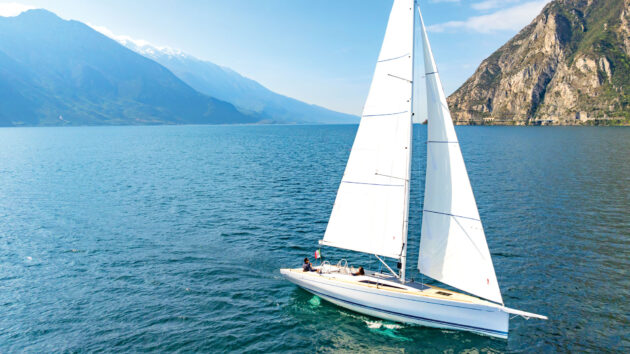
The concept of range anxiety entered the lexicon with the advent of electric cars a decade or so ago. The debate over whether they could really replace a conventional car has rumbled on ever since – insufficient infrastructure, a lack of soul, and cost all cited for the prosecution. Electric yachts have faced a similar, if more protracted, spell of scepticism.
Readers of this magazine’s first issue, in 1894, would barely have recognised the auxiliary engine as part of their amateur pursuit – let alone as something that might propel them home on time. The story of the auxiliary engine has been one of steadily increasing capability, driven by a market that has grown more time-poor with every decade.
At the start of the ARC in 2013, I found myself motoring from Las Palmas to Cape Verde. No wind, a company CEO on board as crew, no reliable internet offshore, and lack of annual leave combined to put us on a strict schedule.
We weren’t alone: a queue of yachts had formed at the fuel dock in Cape Verde; everyone having motored at the same economical 7 knots and arrived at more or less the same time.
That kind of mission creep – using the engine not because the wind has failed, but because the schedule demands it – takes us further from the elemental experience that probably hooked most of us on sailing in the first place.
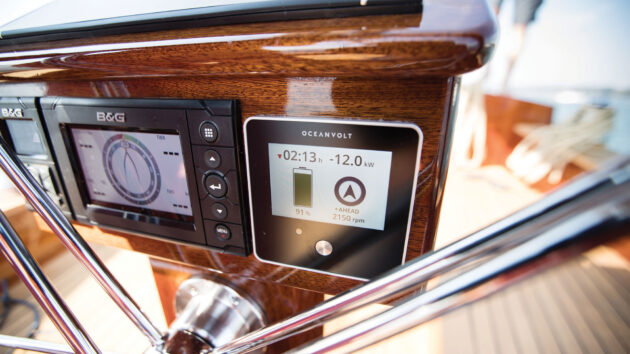
Oceanvolt instrumentation at the helm of a Spirit 44CR(e), showing battery state and run time. Photo: Spirit Yachts
Building a network
The dream of all-electric yachting is one of a return to the elemental – or at least a sense of it. Taking away engine noise is immediately transformational for a day on the water.
To make it realistic, however, requires not only a capable yacht, but sufficient range to always be able to return to your home berth if the wind dies. The alternative requirement is a charging network with good coverage.
The Solent looks to be shaping up into something close to that, with recent developments making it closer to a reality than an aspiration. The Electric Seaway, a £3.2m project backed by the Department for Transport’s UK SHORE programme and led by Aqua superPower alongside ZPN Energy, the University of Plymouth and a consortium of harbour authorities, has quietly built a chain of DC fast-charging points along the south coast since 2023 – high-power, 400V-class technology similar to rapid chargers for electric cars.
Cowes was an early beneficiary, with three chargers installed at Trinity Landing and Shepards Wharf, and the network has since spread to Lymington, Southampton’s Ocean Village and, as of this spring, Chichester Harbour at Itchenor, with further sites at Fowey and Falmouth extending the corridor west. Southampton’s Ocean Village is due a dedicated workboat charger shortly too.
Article continues below…

Buying a ‘Bulletproof’ Yacht: New and Used Adventure Boat Advice
Those planning to sail to inhospitable places tend to have a strong vision of what is needed from the craft…
Lithium battery fires: the 10-point safety checklist every boat owner needs
Resilient to heavy loads, longer lasting, smarter and, some would argue, cheaper over the long term; lithium batteries technology is…
According to Aqua superPower’s COO, Karen Gill, uptake so far has come mainly from commercial workboats rather than leisure yachts, even though the high-power infrastructure – now expanding internationally, including in the US – is there across the Solent for any larger vessel that wants it.
For owners of an electric weekender yacht, with a typically smaller battery and correspondingly modest top-up times from a standard berth, the key point is that the Solent’s operators and energy providers are now building for an electric future as a matter of course.
Helen Porter, sales and marketing director for Spirit Yachts has seen how their clients have embraced electric propulsion over the past few years. Their R30 is an all-electric offering, aimed at elegant weekend sailing (see panel, right). Porter explains that some patterns have emerged among electric Spirit owners.
“Owners tend to embrace the range of their yachts and keep a keener eye on the weather to optimise their time on the water.”
The Suffolk yard is best known for 60-100ft luxury wooden classics. But the smaller yachts like the R30 really appeal to a particular type of sailor – and Spirit says more than half its current orders are for electric boats.
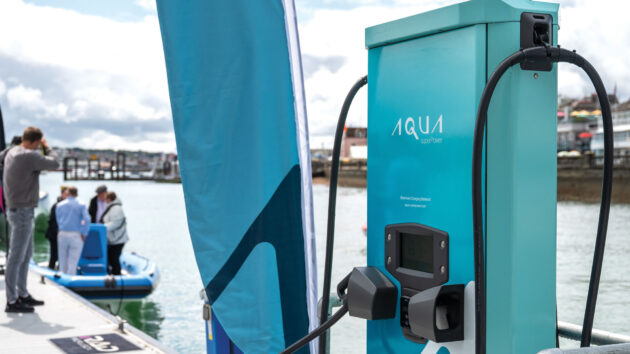
Aqua superPower DC fast-charger on a Solent pontoon, part of ‘The Electric Seaway’ network. Photo: Aqua superPower
“Hotel loads are minimal on a day and weekend yacht and being all-electric really taps into a special kind of yacht ownership that harks back to more traditional sailing,” explains Porter. “The maintenance is next to nothing on an electric drive, simply a case of making sure the batteries stay charged up.”
Going mainstream
But it’s not only semi-custom yards like Spirit that are pursuing electric. The world’s biggest production sailing yacht builder, Beneteau, now offers electric propulsion as a factory option. Saffier’s newest model, the modern SE28 Leopard daysailer, offers electric and diesel as a genuine head-to-head choice, not a single electric variant.
One of the more ambitious offerings arrived at boot Düsseldorf in January 2025: the Grand Soleil Blue, a 33ft daysailer from Cantiere del Pardo. Designed from the outset around electric propulsion rather than retrofitted with it, the Blue is an attempt to answer the weekender question in full – not just to make the propulsion work, but how to make the whole boat sustainable.
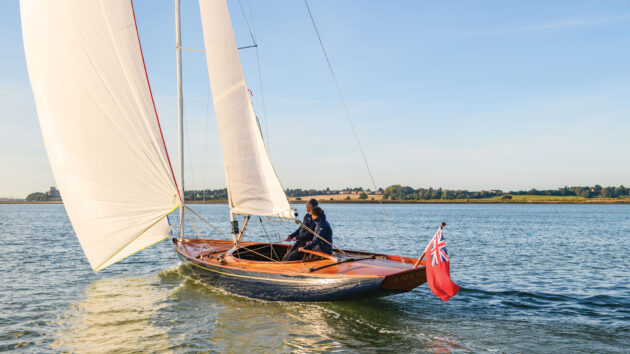
With regenerative electric drive doing the work, owners can chase the forecast without a second thought for the tank. Photo: Spirit Yachts
The drive comes from a 6kW ePropulsion pod, fed by an 8kWh lithium battery bank with an optional second unit. Claimed range is 30 miles at 5 knots – extended by regeneration under sail (the pod recovers up to 1kW at 10 knots) and by 340W of solar panels inlaid in the coachroof.
The hull is built from Elium thermoplastic resin, which allows the glass and carbon fibres to be separated and recovered at end of life – making it, the yard says, the first fully recyclable production sailing yacht built in Italy. Even the sails can be recycled.
That level of ambition doesn’t happen without backing. The project is part-funded by the Emilia-Romagna region’s research and development programme, a signal of how seriously Italian industry and regional government are treating the question of zero-impact boatbuilding.
Perhaps one of the biggest indicators that electric marine propulsion has entered the mainstream is the acquisition of Torqeedo by Yamaha – a brand synonymous with combustion engines. The 2024 deal saw the world’s largest outboard motor manufacturer take control of the self-styled global leader in electric boat drives as part of its ‘Marine CASE’ sustainability strategy.
For an industry still working out whether electric propulsion is a niche or the next standard fitment, having one of its biggest combustion engine brand names bet on it is hard to ignore.
 If you enjoyed this….
Yachting World is the world’s leading magazine for bluewater cruisers and offshore sailors. Every month we have inspirational adventures and practical features to help you realise your sailing dreams.Build your knowledge with a subscription delivered to your door. See our latest offers and save at least 30% off the cover price.
Note: We may earn a commission when you buy through links on our site, at no extra cost to you. This doesn’t affect our editorial independence.